

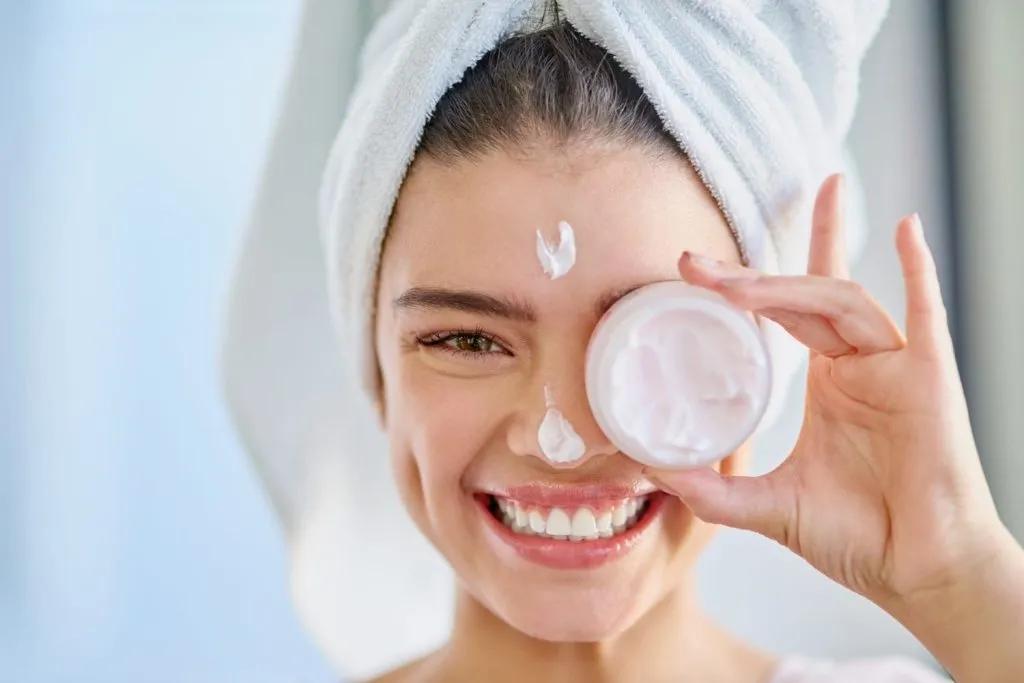
In recent years, the global face cream market is witnessing strong growth due to rising skincare awareness and changing beauty routines. The report covers market size, growth trends, and future outlook along with key influencing factors. It also highlights industry developments, competitive landscape, and demand patterns across regions. The study helps understand how consumer preferences and product innovation are shaping the market over time.
Market Size and Forecast
The face cream market was valued at USD 23.08 Billion in 2025 and is expected to reach USD 26.09 Billion in 2026. It is projected to grow to USD 69.50 Billion by 2034, at a CAGR of 13.03%. The market is growing due to increasing skincare awareness, rising demand for anti-aging solutions, and continuous product innovation by companies.
The report provides insights into market trends, growth factors, and industry developments. It highlights consumer behavior changes, product demand, and competitive strategies. It also gives a clear understanding of market expansion across different regions.
Market Segmentation
The market is divided into multiple categories based on type, age, gender, distribution channel, and application. This segmentation helps understand how different products meet the needs of various consumers.
By Type
This segment focuses on different types of face creams designed for specific skin needs and concerns. Companies are developing targeted solutions to improve skin health and appearance.
Moisture: These creams help in maintaining skin hydration and preventing dryness, making them suitable for daily skincare routines and all weather conditions.
Healing: Healing creams are designed to repair damaged skin and provide relief from irritation, redness, and minor skin issues.
Anti-Aging: Anti-aging creams are used to reduce wrinkles and fine lines while improving skin elasticity and overall appearance.
Other Types: This category includes specialized creams developed for unique skincare needs and emerging beauty trends.
By Age
This segment shows how face cream demand varies across different age groups depending on skin requirements and lifestyle.
0–1: Products in this category are gentle and specially formulated for infant skin protection and care.
2–25: This group focuses on basic skincare, hydration, and protection from environmental factors.
26–40: Consumers in this group prefer products that offer hydration along with early anti-aging benefits.
41–55: This age group demands advanced anti-aging and skin repair solutions for maintaining skin health.
More than 55: Products are focused on deep nourishment, wrinkle reduction, and improving skin firmness.
By Gender
This segment highlights the difference in product demand between male and female consumers.
Female: Female consumers drive major demand with a wide range of products targeting different skin concerns and beauty needs.
Male: Male grooming products are growing as awareness and demand for skincare among men increases.
By Distribution Channel
This segment explains how face creams are sold through different channels to reach consumers.
Multi-Brand Retail Outlets: These outlets offer a wide range of brands, giving consumers multiple choices in one place.
Online Platforms: Online sales are increasing due to convenience, product variety, and growing digital adoption.
Supermarkets or Hypermarkets: These stores provide easy access to products and attract large consumer footfall.
Exclusive Retail Stores: Brand-specific stores focus on premium experience and direct customer engagement.
Beauty Parlors or Salons: Professional channels recommend and sell specialized skincare products to customers.
By Application
This segment explains how face creams are designed based on different skin types and specific skin concerns. It helps brands create targeted products for better skincare results.
Oily Skin: These creams are formulated to control excess oil production while keeping the skin hydrated and preventing clogged pores and acne issues.
Dry Skin: Products in this category provide deep hydration and nourishment, helping to restore moisture balance and prevent skin dryness or flakiness.
Neutral Skin: These creams maintain overall skin balance, offering light hydration and protection without making the skin too oily or too dry.
Sensitive Skin: Specially designed for delicate skin, these creams help reduce irritation, redness, and provide gentle care with mild ingredients.
Other Applications: This category includes creams developed for specific or emerging skin concerns and customized skincare needs.
Key Players
The market is highly competitive with the presence of several global and regional players focusing on innovation and product expansion.
Johnson & Johnson Services Inc.: A leading company offering a wide range of skincare products with strong brand presence and focus on quality and safety.
Procter & Gamble Co.: Known for its strong portfolio of personal care brands and continuous investment in product innovation.
L'Oréal S.A.: A major player focusing on advanced skincare solutions and strong global distribution networks.
Unilever PLC: Offers diverse skincare products with a focus on affordability and wide consumer reach.
Beiersdorf AG: Known for trusted skincare brands and strong focus on dermatological research and innovation.
Companies are focusing on product innovation, expanding product lines, and strengthening their global presence.
Regional Insights
The market shows strong growth across multiple regions driven by rising skincare awareness and increasing consumer spending.
North America: Mature market with high demand for premium and anti-aging products, supported by strong brand presence and consumer awareness.
Europe: Growth driven by demand for natural and organic skincare products along with strict regulatory standards.
Asia-Pacific: Fast-growing region due to increasing population, rising income levels, and growing interest in skincare routines.
Latin America: Market growth supported by improving economic conditions and rising beauty consciousness among consumers.
Middle East & Africa: Growth driven by increasing urbanization, rising disposable income, and expanding retail infrastructure.
Information Source:https://www.valuemarketresearch.com/report/face-cream-market