

Industrial Protective Footwear Market Analysis by Application and Forecast to 2034
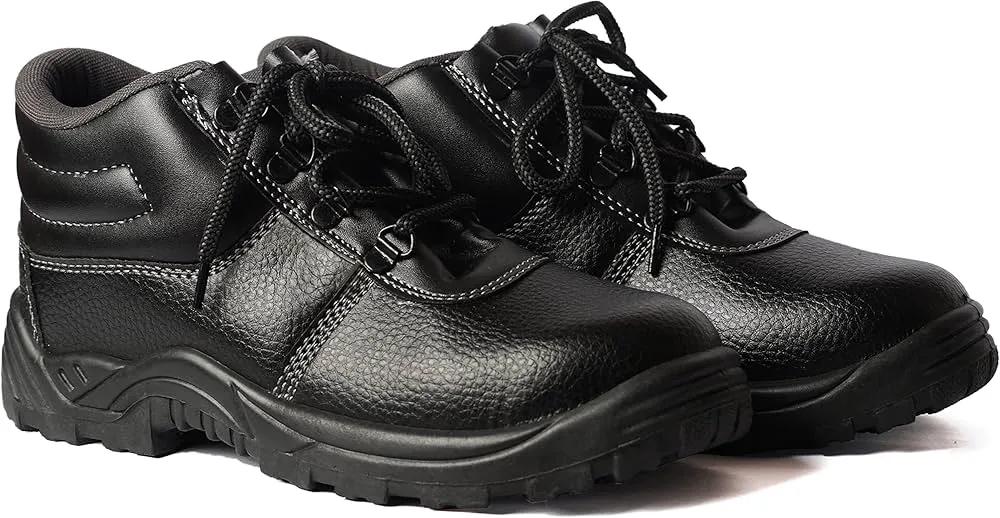
Over the past decade, the global industrial protective footwear market has expanded as industries focus more on employee protection and compliance standards. The report covers market dynamics, competitive positioning, investment trends, and innovation strategies. It explains how industrial growth, safety regulations, and product advancements influence demand. Regional analysis and company profiling further help stakeholders understand long term opportunities and strategic planning areas.
Market Size and Forecast
The Industrial Protective Footwear Market was valued at USD 11.50 Billion in 2025. It is projected to reach USD 18.20 Billion by 2034, growing at a CAGR of 5.23% during the forecast period. The market is expanding due to rising workplace safety standards, industrial growth, and increasing awareness about employee protection across sectors.
The report provides detailed insights into market trends, regulatory influence, and technological advancements. It evaluates competitive positioning and strategic developments by key players. Regional analysis and demand assessment are also included. The study helps stakeholders understand long term growth potential and investment opportunities.
Market Segmentation
The market is categorized based on product type, material, application, end user, and distribution channel. Each category reflects different usage patterns and industry requirements. The segmentation helps in understanding demand variations across industries and regions.
By Product Type
This segment covers different types of protective footwear designed for varied industrial needs. Product selection depends on work environment, safety standards, and comfort requirements.
Shoes: Widely used in light to medium industrial environments, offering comfort, flexibility, and safety compliance for daily operational tasks.
Boots: Designed for heavy duty applications, providing ankle protection, durability, and resistance against harsh industrial conditions.
Others: Includes specialized protective footwear developed for unique industrial requirements and specific workplace hazards.
By Material
Material plays a key role in durability, protection level, and comfort. Different materials are selected based on resistance needs and environmental conditions.
Leather: Popular for durability, flexibility, and strong protection in construction and manufacturing environments.
Rubber: Preferred in wet and chemical exposed workplaces due to water resistance and anti slip properties.
Plastic: Lightweight and cost effective, suitable for controlled industrial environments with moderate safety risks.
Others: Includes advanced composite and specialty materials designed for enhanced protection and performance.
By Application
This segment highlights industries where protective footwear is essential for worker safety and regulatory compliance.
Construction: High demand due to risk of heavy object impact and rough terrain conditions.
Manufacturing: Requires protective footwear for machinery operations and material handling activities.
Oil & Gas: Demands strong, chemical resistant footwear for hazardous working environments.
Chemicals: Focuses on footwear resistant to chemical spills and corrosive substances.
Pharmaceuticals: Uses protective footwear for hygiene control and contamination prevention.
Mining: Needs heavy duty boots for underground and surface mining safety.
Food: Requires slip resistant and hygienic footwear for processing units.
Others: Covers additional industrial sectors with specific safety needs.
By End User
The market serves different end user categories depending on operational scale and safety requirements.
Industrial: Major demand contributor due to strict safety regulations and large workforce presence.
Commercial: Includes service industries requiring protective footwear for operational safety.
Residential: Limited but growing demand for protective footwear in home based projects.
By Distribution Channel
Distribution channels influence accessibility and purchasing patterns in the market.
Online Stores: Growing channel supported by digital platforms and wider product availability.
Specialty Stores: Offers professional guidance and specialized product selections.
Supermarkets/Hypermarkets: Provides convenient access to selected protective footwear products.
Others: Includes direct sales and distributor networks supporting bulk purchases.
Key Players
The market is moderately competitive with companies focusing on innovation, safety compliance, and product expansion.
Honeywell International Inc.: Offers a wide portfolio of industrial safety footwear designed for various hazardous environments.
3M Company: Provides protective solutions integrating safety technology and advanced materials.
Bata Industrials: Specializes in durable and ergonomic protective footwear for industrial applications.
Uvex Group: Focuses on high performance safety footwear with comfort and compliance features.
VF Corporation: Operates multiple footwear brands catering to industrial and professional segments.
Companies are investing in product innovation, partnerships, and geographic expansion to strengthen market presence.
Regional Insights
The market shows steady growth across major industrial regions supported by safety regulations and industrial expansion.
North America: Strong regulatory framework and established industrial base support consistent demand for protective footwear products.
Europe: Workplace safety standards and manufacturing activities drive stable market growth across the region.
Asia-Pacific: Rapid industrialization and infrastructure development contribute significantly to rising demand.
Latin America: Growing construction and mining activities support gradual market expansion.
Middle East & Africa: Oil, gas, and infrastructure projects increase demand for durable safety footwear.
Information Source:https://www.valuemarketresearch.com/report/industrial-protective-footwear-market