

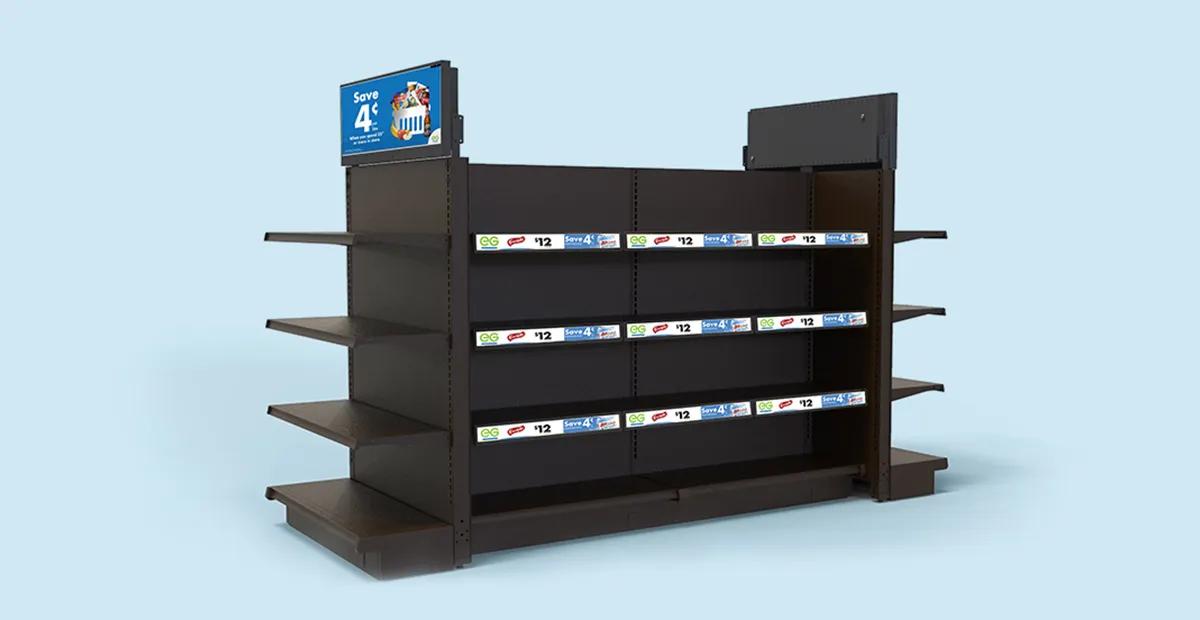
After detailed research, the global smart shelves market report explains current trends, growth factors, and future opportunities. It highlights how businesses are adopting advanced shelf technologies to improve inventory tracking and customer experience. The study also covers market dynamics such as drivers, restraints, and opportunities influencing growth. It provides a clear understanding of competitive strategies and industry developments. The report helps businesses and stakeholders make informed decisions by offering reliable data and long-term market outlook.
Market Size and Forecast
The smart shelves market was valued at USD 4.99 Billion in 2025 and is expected to reach USD 5.84 Billion in 2026. It is projected to grow to USD 20.58 Billion by 2034, at a CAGR of 17.06%. Growth is driven by increasing demand for automation, real-time inventory tracking, and improved retail operations efficiency.
The report provides insights into market trends, technological advancements, and adoption patterns. It highlights key factors influencing growth and offers a clear understanding of industry developments. It also covers strategic activities by major companies and evolving business models shaping the market.
Market Segmentation
The market is categorized based on component, application, technology, and enterprise size. These segments help in understanding how different solutions and industries are contributing to market growth.
By Component
This segment focuses on the different elements required to operate smart shelves efficiently, including physical systems, software platforms, and service support.
Hardware : Includes sensors, displays, and RFID devices that enable real-time tracking and monitoring of products on shelves in retail and storage environments.
Software : Covers analytics platforms and management systems that help businesses process data, optimize inventory, and improve decision-making.
Services : Includes installation, maintenance, and support services that ensure smooth operation and long-term efficiency of smart shelf systems.
By Application
This segment explains where smart shelves are widely used across industries for improving operations and efficiency.
Retail : Used for inventory tracking, reducing stockouts, and enhancing customer experience through automated product monitoring and pricing updates.
Warehousing : Helps manage storage operations by providing real-time data on product availability, improving efficiency and reducing manual errors.
Logistics : Supports supply chain management by tracking goods movement and ensuring accurate inventory levels across distribution networks.
Others : Includes applications in healthcare and other industries where inventory monitoring and automation are required.
By Technology
This segment highlights the technologies used to power smart shelves and improve their functionality.
RFID : Enables automatic identification and tracking of products using radio frequency signals, improving inventory accuracy and efficiency.
IoT : Connects devices and systems to enable real-time data collection and monitoring for better operational control.
Electronic Shelf Labels : Provides digital pricing and product information updates, reducing manual effort and improving accuracy.
Others : Includes additional technologies supporting automation and data analysis in smart shelf systems.
By Enterprise Size
This segment explains how adoption varies based on organization size and operational scale.
Small and Medium Enterprises : Adopt smart shelves to improve efficiency and reduce operational costs while managing limited resources.
Large Enterprises : Use advanced smart shelf systems to manage large inventories, enhance customer experience, and optimize supply chain operations.
Key Players
The market is highly competitive with companies focusing on innovation and strategic partnerships to strengthen their position.
SES-imagotag : A leading provider of electronic shelf labeling solutions, focusing on digital retail transformation and real-time pricing systems.
Panasonic Corporation : Offers advanced retail solutions including smart shelf technologies integrated with automation and IoT capabilities.
Samsung Electronics : Provides display and digital solutions that support smart shelf systems and enhance in-store customer experiences.
Zebra Technologies Corporation : Specializes in tracking and data capture technologies, enabling efficient inventory management through smart shelf solutions.
Honeywell International Inc. : Develops advanced sensing and automation technologies that support smart retail and warehouse operations.
Companies in this market are focusing on innovation, partnerships, and expanding product capabilities to improve efficiency and customer experience.
Regional Insights
The market shows strong growth across regions due to increasing adoption of automation and digital retail solutions.
North America : Strong adoption of advanced retail technologies and presence of major players drive market growth, supported by high investment in automation and innovation.
Europe : Growth is supported by increasing demand for efficient retail operations and digital transformation initiatives across developed economies.
Asia-Pacific : Rapid expansion of retail and e-commerce sectors, along with growing technology adoption, is driving significant market growth.
Latin America : Emerging adoption of smart technologies in retail and logistics sectors is contributing to steady market development.
Middle East & Africa : Increasing investment in modern retail infrastructure and digital solutions is supporting gradual market growth.
Information Source: https://www.valuemarketresearch.com/report/smart-shelves-market