

In recent industry analysis, the global rendered products market presents steady expansion driven by rising demand for animal feed, biofuel, and sustainable by product utilization. The report highlights market dynamics, growth patterns, competitive landscape, regulatory framework, and regional developments shaping industry performance. It explains production trends, supply chain structure, pricing outlook, and strategic initiatives adopted by leading companies. The study provides actionable insights for investors, manufacturers, suppliers, and stakeholders seeking long term opportunities in the rendered products market.
Market Size and Forecast
The rendered products market was valued at USD 26.26 Billion in 2025 and is projected to reach USD 34.59 Billion by 2034. The market is expected to grow at a CAGR of 3.11% during the forecast period. Growth is supported by increasing demand for animal feed ingredients, rising biofuel production, and growing focus on sustainable utilization of animal by-products across industries.
The report provides detailed insights into market structure, demand patterns, supply chain dynamics, regulatory framework, and competitive landscape. It explains production trends, strategic initiatives by key companies, and regional developments. The study helps stakeholders understand long-term opportunities and industry performance outlook.
Market Segmentation
The market is segmented based on source, application, and grade. These segments help explain how demand is distributed across industries and how different product types support overall market growth.
By Source
This segment explains the different animal origins used in the rendering process. Raw material availability and livestock production directly influence this segment.
Sheep : Sheep-based rendering supports specialty fat and protein production, particularly in regions with strong sheep farming and meat processing activities.
Poultry : Poultry rendering contributes significantly due to high poultry consumption and large-scale processing, supplying protein meals and fats for feed and industrial use.
Cattle : Cattle-derived products are widely used in feed, biofuel, and industrial applications due to consistent supply from beef processing operations.
Hogs : Hog rendering supports production of lard and protein meals, widely utilized in animal nutrition and selected industrial applications.
Others : Other sources include mixed animal by-products processed efficiently to reduce waste and create value-added outputs.
By Application
This segment highlights the key industries where rendered products are utilized.
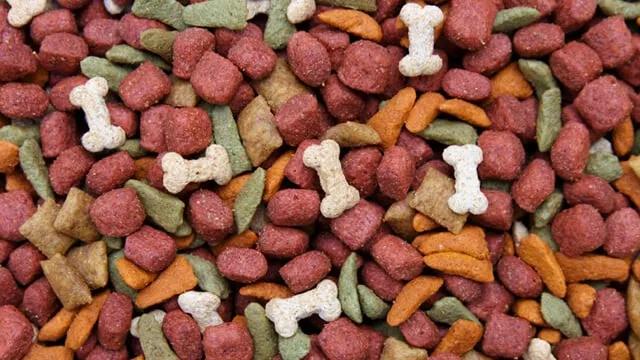
Animal feed : Rendered protein meals and fats are widely used in livestock and pet nutrition to improve feed efficiency and nutritional value.
Foods and beverages : Certain rendered fats are used in processed food manufacturing where texture and stability are important.
Cosmetics : Rendered fats are used in soaps, creams, and personal care products due to their functional properties.
Bio-fuel : Animal fats are increasingly used in biodiesel production, supporting renewable energy initiatives.
Fertilizers : Protein-rich by-products are converted into organic fertilizers that enhance soil nutrients and agricultural productivity.
Others : Includes industrial applications such as lubricants and specialty chemical manufacturing.
By Grade
This segment categorizes products based on quality standards and intended usage.
Food Grade : Processed under strict quality standards suitable for human consumption applications.
Feed Grade : Primarily used in animal nutrition, offering balanced protein and fat content.
Industrial Grade : Used in biofuel production and industrial manufacturing processes.
Key Players
The market is moderately competitive with established companies focusing on operational efficiency, sustainability, and expansion strategies.
Darling Ingredients Inc. : A leading rendering and sustainable ingredient producer supplying feed, renewable fuel feedstocks, and specialty ingredients globally.
Tyson Foods Inc. : Operates integrated meat processing and rendering facilities supporting feed and industrial ingredient demand.
JBS USA Food Company (JBS) : Engages in large-scale meat processing with strong rendering capabilities serving multiple end-use industries.
Cargill Incorporated : Provides animal nutrition and industrial solutions supported by a broad agricultural and processing network.
Smithfield Foods Inc. : Active in pork processing and rendering operations supplying protein meals and fats for feed applications.
Companies are focusing on technology upgrades, sustainability initiatives, and expanding product portfolios to strengthen market presence.
Regional Insights
The market shows steady growth across major regions supported by livestock production and industrial demand.
North America : Strong meat processing infrastructure and advanced rendering technologies support stable supply and consistent demand.
Europe : Strict regulatory standards and sustainability focus shape structured rendering operations and quality compliance.
Asia-Pacific : Rising meat consumption and expanding feed demand contribute to steady market development.
Latin America : Growing livestock exports and agricultural development support rendering industry expansion.
Middle East & Africa : Developing livestock sector and rising industrial usage create gradual growth opportunities.
Information Source: https://www.valuemarketresearch.com/report/rendered-products-market