

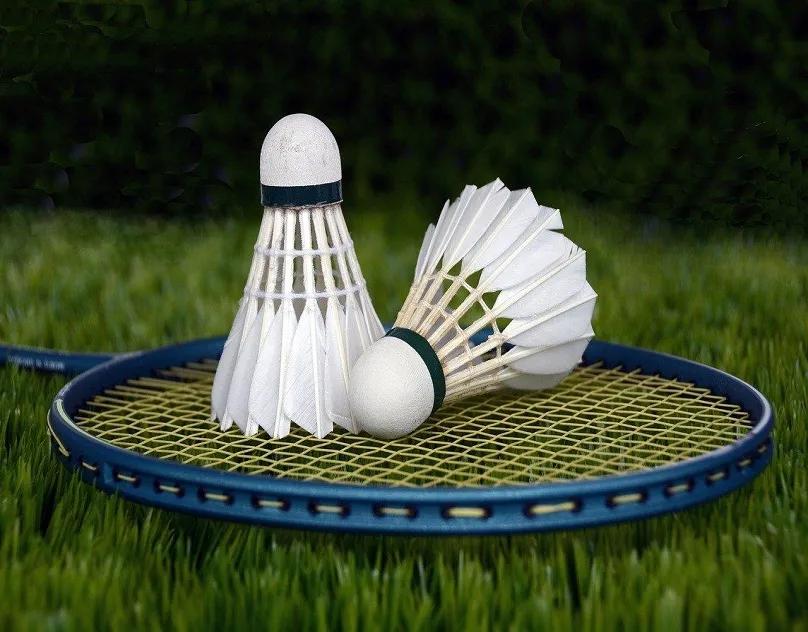
In the global badminton market, the report explains how the industry is growing steadily with rising interest in sports and fitness activities. It provides insights into market size, growth patterns, and future projections. The study highlights how changing lifestyles and increasing participation in recreational sports are shaping demand. It also covers key developments, competitive landscape, and overall market performance, helping readers understand how the market is expected to evolve over the coming years.
Market Size and Forecast
The badminton market was valued at USD 5.60 Billion in 2025 and is expected to reach USD 9.02 Billion by 2034, growing at a CAGR of 5.44%. Growth is supported by increasing participation in sports, rising fitness awareness, and expanding availability of sports infrastructure.
The report provides a clear understanding of market trends, growth patterns, and competitive developments. It offers insights into industry performance and future opportunities.
Market Snapshot
The market is witnessing steady growth due to increasing interest in fitness activities and rising demand for sports equipment across different age groups.
Key Drivers
Rising interest in sports and fitness activities
Increasing participation in recreational sports
Growth in sports infrastructure and training centers
Rising demand for high-quality sports equipment
Expansion of online retail platforms
Market Segmentation Overview
The market is divided into several categories based on player type, product type, distribution channels, end-user age groups, and pricing. This helps in understanding how demand varies across different consumer groups.
By Player Type
This segment highlights how different types of players contribute to the market based on their level of involvement and skill.
Recreational Players: Casual users driving volume demand with increasing interest in fitness and leisure sports activities.
Amateur Players: Regular players participating in competitions, contributing to demand for better-quality equipment.
Professional Players: High-performance users driving demand for advanced and premium products.
Coaches and Trainers: Supporting demand for training tools and specialized equipment.
By Product Type
This segment includes all equipment used in badminton, reflecting product diversity and innovation.
Badminton Rackets: Essential equipment used by all players, available in multiple variants.
Beginner Rackets: Entry-level products designed for ease of use and affordability.
Intermediate Rackets: Balanced products offering better control and performance.
Advanced Rackets: High-performance products designed for professionals.
Shuttles: Core gameplay product available in different materials.
Feather Shuttles: Premium option used in professional matches.
Plastic Shuttles: Durable and cost-effective option for casual play.
Footwear: Specialized shoes designed for better movement and comfort.
Tennis Shoes: Basic footwear sometimes used by beginners.
Specialized Badminton Shoes: Designed for better grip and injury prevention.
Accessories: Supporting products enhancing player experience.
Grips: Improve handling and comfort of rackets.
Bags: Provide storage and protection for equipment.
Protective Gear: Helps in preventing injuries during gameplay.
By Distribution Channel
This segment explains how products are sold through different channels.
Online Retail: Offers convenience and a wide range of products.
Specialized Sports E-Commerce Sites: Provide expert-focused product offerings.
General Retail E-Commerce Platforms: Ensure accessibility and competitive pricing.
Brick-And-Mortar Stores: Allow physical product inspection before purchase.
Specialty Sports Shops: Offer expert advice and specialized products.
Department Stores: Provide general sports products for mass consumers.
Wholesale Markets: Support bulk purchasing for retailers.
Direct Sales: Enable manufacturers to connect directly with customers.
Brand-Owned Stores: Ensure product authenticity and brand experience.
Trade Shows And Expos: Help in product promotion and networking.
By End-User Age Group
This segment categorizes users based on age.
Children (Ages 5–12): Early adoption of sports with demand for beginner equipment.
Teenagers (Ages 13–19): Active participation in school and club sports.
Adults (Ages 20–39): Major contributors with high participation rates.
Middle-Aged (Ages 40–59): Focus on health and recreational play.
Seniors (Ages 60 And Above): Engage in light physical activities.
By Price Range
Budget, Entry-Level Products: Affordable options for beginners and casual players.
Mid-Range, Competitive Products: Balanced products offering good performance at moderate prices.
Premium, High-Performance Products: Advanced equipment designed for serious and skilled players.
Elite-End Gear: Top-quality professional products with the highest performance standards.
Key Players
The market is competitive with several established brands focusing on innovation and product quality.
Yonex: Leading global brand known for advanced badminton technology and high-performance products.
Victor: Offers a wide range of quality equipment for different player levels.
Li-Ning: Focuses on innovative designs and performance-driven products.
Wilson: Provides durable and reliable sports equipment.
Babolat: Known for premium products designed for advanced players.
Companies are focusing on innovation, expanding product portfolios, and strengthening distribution networks.
Regional Dynamics
The market is growing across regions with strong participation and increasing investment in sports infrastructure.
North America: Growing adoption of badminton as a recreational activity supported by rising health awareness.
Europe: Strong sports culture and organized events contribute to steady market growth.
Asia-Pacific: Dominates the market with high popularity and strong player base.
Latin America: Gradual growth supported by increasing awareness and accessibility.
Middle East & Africa: Emerging region with improving sports facilities and rising interest.
Market Opportunities and Challenges
Opportunities
Increasing participation in sports globally
Expansion of online sales channels
Growing demand for premium equipment
Rising investments in sports infrastructure
Increasing focus on fitness and wellness
Challenges
High cost of premium equipment
Limited awareness in some regions
Competition from other sports
Availability of counterfeit products
Price sensitivity among consumers
Future Outlook
The badminton market is expected to grow steadily with rising global interest in sports and fitness. Increasing investments in infrastructure and product innovation will support demand. Companies are focusing on advanced materials and better product design to improve performance. Expansion of online platforms will further boost accessibility. The competitive landscape will continue to evolve with new product launches and strategic partnerships, shaping the future growth of the market.
Information Source:https://www.valuemarketresearch.com/report/badminton-market