

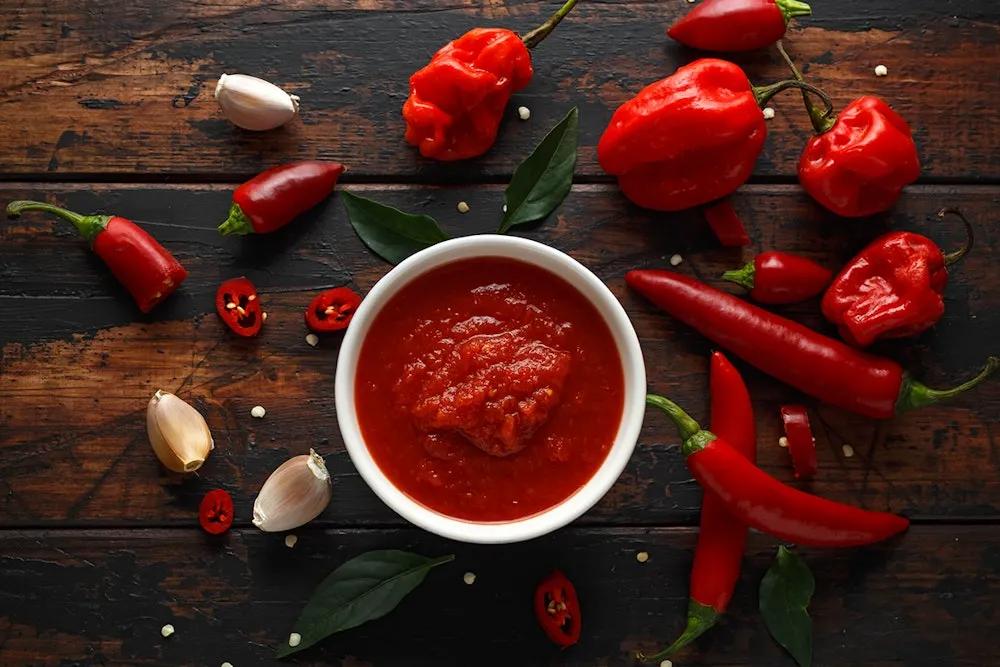
The global hot sauce market continues to grow steadily due to rising demand for flavorful and convenient food products. The report covers industry trends, competitive positioning, and evolving consumer preferences across regions. It offers a clear understanding of market dynamics, strategic initiatives by companies, and factors influencing supply and demand. The analysis helps businesses evaluate growth potential and plan investments effectively.
Market Size and Forecast
The market was valued at USD 5.17 Billion in 2025 and is projected to reach USD 12.71 Billion by 2034. It is expected to grow at a CAGR of 10.51% during the forecast period. The market is expanding due to increasing consumer preference for spicy flavors, rising demand for international cuisines, and continuous product innovation by key manufacturers.
The report provides detailed analysis of market structure, growth trends, competitive landscape, and regional developments. It examines demand patterns, strategic initiatives by companies, and changing consumer behavior. The study also highlights investment opportunities and key challenges influencing overall industry growth.
Market Segmentation
The market is categorized based on type, ingredients, packaging, and distribution channel. Each segment reflects changing consumer preferences, product innovation, and evolving retail trends across different regions.
By Type
This segment explains how hot sauce products are classified based on their usage and purpose. Different types cater to household consumption, cooking applications, and specialty flavor preferences.
Table Hot Sauces: These sauces are commonly used as condiments with ready to eat meals and snacks. They are popular for everyday household consumption and quick flavor enhancement.
Cooking Sauces: These sauces are mainly used during food preparation to enhance taste and aroma. They are widely adopted in home kitchens and food service establishments.
Specialty Sauces: These include premium and unique flavor variants targeting niche consumers. They focus on distinctive ingredients, artisanal production, and gourmet positioning.
By Ingredients
Ingredient composition plays a major role in defining flavor intensity, texture, and consumer appeal. Manufacturers focus on diverse ingredient bases to meet varied taste preferences.
Chili-Based: These sauces use different varieties of chili peppers as the primary ingredient. They offer strong heat levels and are preferred by consumers seeking bold spicy flavors.
Vinegar-Based: Vinegar based sauces provide tangy and sharp taste profiles. They are widely used in traditional recipes and are popular in several regional cuisines.
Tomato-Based: These sauces combine tomato pulp with spices for balanced flavor. They are suitable for consumers who prefer mild heat with rich texture.
Fruit-Based: Fruit infused sauces blend sweetness with spice to create unique taste combinations. They attract consumers looking for innovative and exotic flavors.
Others: This category includes sauces made with blended or alternative ingredients. It addresses evolving consumer preferences and experimentation in flavor profiles.
By Packaging
Packaging influences product appeal, shelf life, and consumer convenience. Companies focus on innovative and sustainable packaging solutions.
Glass Bottles: Glass bottles are widely used due to durability and premium appearance. They help maintain product freshness and enhance brand image.
Plastic Jars: Plastic jars are lightweight and cost effective packaging options. They offer easy handling and are suitable for mass distribution.
Pouches: Pouches provide flexible and convenient packaging formats. They are gaining attention due to portability and reduced material usage.
Others: This includes alternative packaging formats designed for bulk or specialty distribution. They address specific retail and food service needs.
By Distribution Channel
Distribution channels determine product reach and accessibility. Growing retail networks and digital platforms are supporting wider market penetration.
Retail Stores: Retail stores remain a major sales channel, offering wide product visibility. Supermarkets and grocery outlets contribute significantly to consumer purchases.
Online Retail: Online platforms enable easy product comparison and doorstep delivery. Rising digital adoption is supporting steady growth in this channel.
Food Service: Restaurants and catering services use hot sauces extensively in meal preparation. Increasing dining out culture supports demand in this segment.
Key Players
The market is moderately competitive with established food companies and emerging specialty brands focusing on innovation and brand differentiation.
Campbell Soup Company: A well known food manufacturer offering diverse packaged food products. The company leverages strong distribution networks to maintain its market presence.
Conagra Brands, Inc.: This company focuses on branded packaged foods and expands its condiment portfolio through innovation and acquisitions.
McCormick & Company, Inc.: A global leader in spices and seasonings, the company strengthens its hot sauce offerings through product development and brand expansion.
McIlhenny Company: Known for its iconic hot sauce products, the company maintains strong brand recognition and consistent product quality.
The Kraft Heinz Company: A major packaged food company that utilizes its global distribution capabilities to expand condiment product lines.
Companies are focusing on product innovation, flavor diversification, strategic partnerships, and expanding distribution channels to strengthen market position.
Regional Insights
The market shows varied growth patterns across regions, influenced by food culture, consumer taste preferences, and retail infrastructure development.
North America: The region has strong consumer demand for spicy condiments and established brand presence. High product awareness and diverse culinary preferences support consistent growth.
Europe: Growing interest in international cuisines and changing food habits are supporting demand. Retail expansion and premium product launches contribute to regional development.
Asia-Pacific: Rising urbanization and evolving dietary patterns drive consumption. Increasing disposable income and exposure to global food trends support market expansion.
Latin America: Traditional preference for spicy flavors boosts demand. Local cuisine integration and expanding retail distribution support steady growth.
Middle East & Africa: Growing food service sector and urban population contribute to market development. Rising interest in flavored condiments supports future opportunities.
Information Source: https://www.valuemarketresearch.com/report/hot-sauce-market