

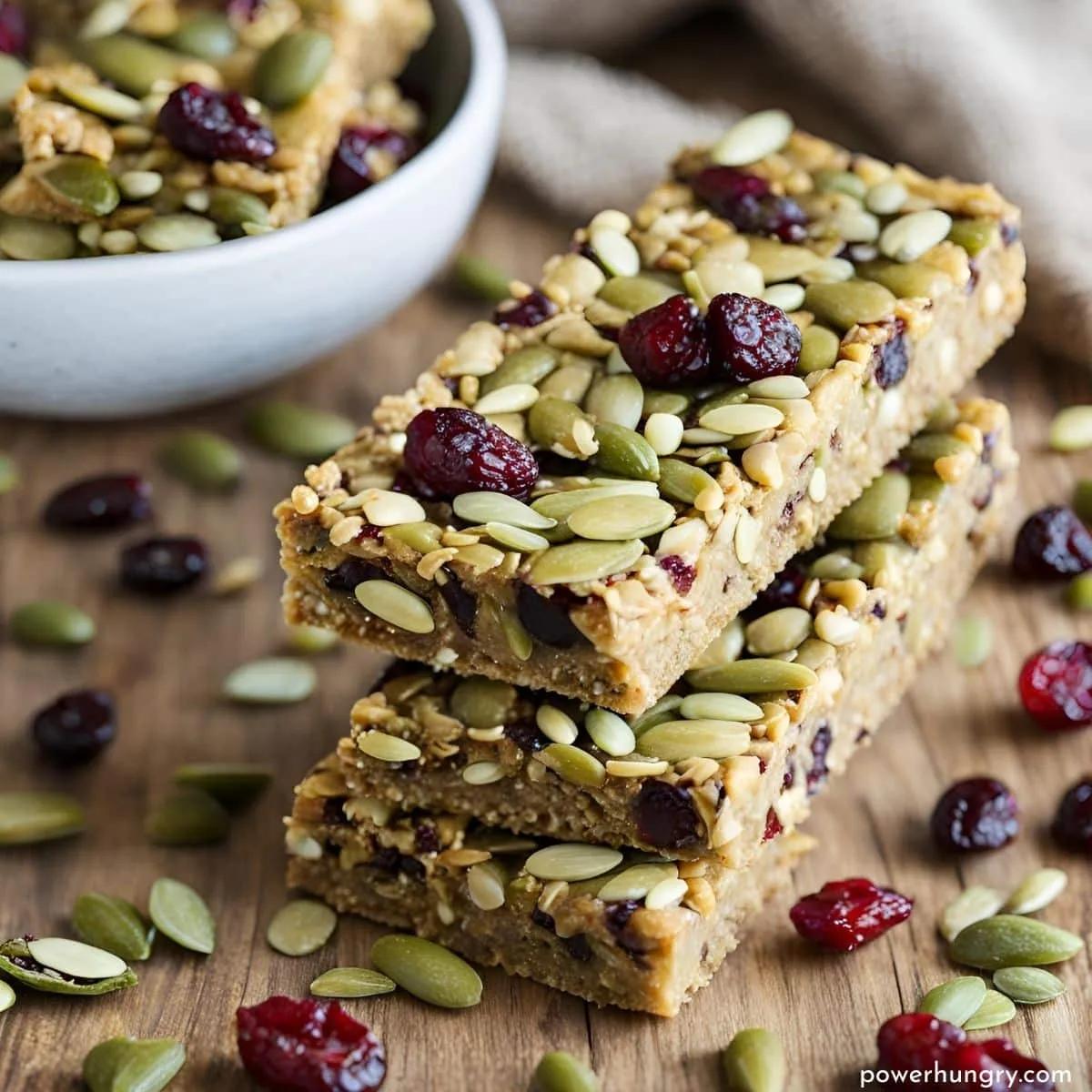
With growing focus on convenient nutrition, this report analyzes the global protein bars market by examining market size, growth trends, and future potential. It explains how lifestyle changes and interest in protein-rich foods are shaping demand. The report includes growth forecasts, competitive overview, and regional insights, helping stakeholders understand market performance through 2034.
Market Size and Forecast
The protein bars market was valued at USD 5.74 Billion in 2025. It is projected to reach USD 10.32 Billion by 2034. The market is expected to grow at a CAGR of 6.73% during the forecast period. Growth is supported by increasing health awareness and demand for convenient protein-rich foods.
The report provides insights into market trends, growth outlook, and future projections. It offers a clear understanding of competitive presence and regional development.
Market Snapshot
The market is evolving as consumers increasingly choose protein bars for convenient nutrition and balanced diets.
Key Drivers
Rising health and fitness awareness
Growing demand for on-the-go nutrition
Increasing focus on protein-rich diets
Expansion of organized retail and e-commerce
Changing consumer food habits
Market Segmentation Overview
The market is divided based on product type, category, and distribution channel. This segmentation explains how protein bars meet different dietary and purchasing needs.
By Product Type
Snack Bars Used for quick energy and protein intake.
Meal Replacement Bars Designed to substitute regular meals.
Energy Bars Support active and fitness-focused lifestyles.
Others Includes specialty protein bar products.
By Category
Gluten-Free Targets consumers with dietary restrictions.
Organic Appeals to clean-label and health-focused buyers.
Vegan Supports plant-based nutrition demand.
Multi-Claim Combines multiple nutritional benefits.
Others Includes niche dietary products.
By Distribution Channel
Store-Based Includes physical retail outlets.
Non-Store-Based Includes online sales channels.
Key Players
The market includes established food and nutrition brands competing on product quality and innovation.
General Mills Inc.: Focuses on nutrition-based snack products.
Kellogg Company: Offers protein bars through recognized brands.
Mars Incorporated: Develops protein snacks for daily consumption.
Clif Bar & Company: Specializes in energy and protein nutrition.
Abbott Laboratories Inc.: Provides nutrition products backed by science.
Companies are collectively focusing on new product launches, clean ingredients, and wider distribution.
Regional Dynamics
Market growth varies by region based on lifestyle and dietary trends.
North America High consumption of protein snacks drives growth.
Europe Demand supported by healthy eating trends.
Asia-Pacific Growth driven by urbanization and fitness awareness.
Latin America Rising interest in packaged nutrition supports demand.
Middle East & Africa Gradual growth supported by lifestyle changes.
Market Opportunities and Challenges
Opportunities
Rising demand for healthy snack options
Expansion of online sales channels
Growing vegan and plant-based trends
Product innovation with clean ingredients
Increasing fitness culture
Challenges
High competition among brands
Price sensitivity in some regions
Short product shelf life
Taste preference differences
Regulatory compliance requirements
Future Outlook
The protein bars market is expected to grow steadily through 2034 as consumers continue to seek convenient and nutritious food options. Product innovation, clean labeling, and expansion into new regions will support market growth. Companies are likely to focus on improving nutritional profiles and strengthening distribution networks to meet evolving consumer preferences.
Information Source: https://www.valuemarketresearch.com/report/protein-bars-market