

Wagyu Beef Market by Type, Grade, Distribution Channel, Application and Forecast to 2034
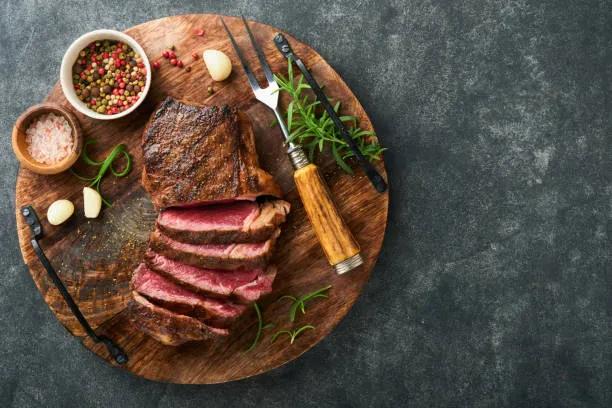
The global wagyu beef market report provides a detailed study of industry trends, competitive landscape, and growth factors influencing demand. It explains how premium meat preferences and rising disposable incomes are supporting expansion. The study offers insights into production, supply chain structure, and strategic activities by leading companies. It also highlights regional performance and future opportunities shaping the industry outlook over the forecast period.
Market Size and Forecast
The market was valued at USD 29.81 Billion in 2025 and is expected to reach USD 55.36 Billion by 2034. It is projected to grow at a CAGR of 7.12% during the forecast period. Rising demand for premium meat, increasing disposable income, and expanding food service industry are supporting market growth globally.
The report provides detailed insights into revenue trends, supply chain structure, and consumption patterns. It explains competitive strategies adopted by key companies and evaluates growth opportunities across regions. The study also highlights demand drivers, industry challenges, and long term outlook of the market.
Market Segmentation
The market is categorized based on type, grade, distribution channel, application, and end user. These segments help understand consumer preferences, pricing variations, and distribution strategies across different regions.
By Type
This segment explains different cattle breeds and regional varieties of wagyu beef. Each type offers unique marbling quality, taste, and pricing based on origin and breeding standards.
Japanese Black : Known for intense marbling and rich flavor, this type is widely preferred in premium restaurants and luxury dining experiences worldwide.
Japanese Brown : Offers leaner meat compared to Japanese Black with balanced taste and moderate marbling, appealing to health conscious consumers.
Japanese Shorthorn : Recognized for firm texture and distinct beef flavor, commonly consumed in regional markets with traditional preparation styles.
Japanese Polled : A rare variety valued for unique genetics and specialty production, catering to niche premium meat buyers.
American Wagyu : Crossbred variety combining wagyu genetics with American cattle, providing balanced marbling and affordability for wider markets.
Australian Wagyu : Produced under strict breeding standards, offering high quality marbling and strong export presence in international markets.
By Grade
Grading reflects meat quality, marbling score, and tenderness level. Higher grades command premium pricing and strong demand in fine dining sectors.
A5 Grade : Highest quality grade with exceptional marbling and tenderness, highly valued in luxury restaurants and premium retail markets.
A4 Grade : Slightly lower marbling than A5 but still premium quality, widely demanded in upscale food service outlets.
A3 Grade : Balanced grade offering good marbling and competitive pricing, suitable for broader commercial distribution.
A2 Grade : Moderate quality grade catering to mid range consumers and food establishments.
A1 Grade : Entry level grade with lower marbling, preferred for processed products and cost sensitive markets.
By Distribution Channel
This segment highlights how wagyu beef reaches consumers through organized retail and online platforms. Distribution efficiency plays a major role in maintaining product quality.
Supermarkets and Hypermarkets : Provide easy accessibility and refrigerated storage ensuring freshness for retail consumers.
Specialty Stores : Focus on premium meat products offering personalized service and high quality selections.
Online Stores : Growing channel enabling direct to consumer delivery and expanding geographic reach.
Others : Includes local butcher shops and alternative retail formats serving regional markets.
By Application
Applications show how wagyu beef is consumed across different sectors. Demand varies between commercial kitchens and household cooking.
Food Service Industry : Major demand source including restaurants and hotels using wagyu for premium menu offerings.
Household : Increasing home consumption driven by rising income and interest in gourmet cooking experiences.
Processed Products : Used in value added meat products expanding commercial utilization.
By End-User
This segment explains who the primary buyers of wagyu beef are across global markets. Demand differs based on purchasing power, volume requirements, and consumption purpose.
Retail Consumers : Individual buyers purchasing wagyu beef for home cooking and special occasions, driven by rising income levels and growing interest in premium dining experiences.
Commercial Buyers : Includes restaurants, hotels, catering companies, and food processors that purchase in bulk to serve premium dishes and high value menu offerings.
Key Players
The market is moderately competitive with several established producers focusing on quality breeding and global distribution networks.
Agri Beef Co. : Engages in premium beef production with integrated supply chain ensuring consistent quality and brand recognition.
Australian Agricultural Company Limited : One of the largest beef producers with strong export presence and premium wagyu portfolio.
Starzen Co. Ltd. : Japan based company specializing in meat processing and distribution across domestic and international markets.
Blackmore Wagyu : Known for high quality Australian wagyu production and global premium positioning.
Lone Mountain Wagyu LLC : Focuses on fullblood wagyu genetics and premium beef supply in North America.
Companies are investing in breeding programs, global partnerships, and premium branding to strengthen market presence.
Regional Insights
The market shows steady growth across major regions supported by rising premium meat consumption and expanding hospitality sector.
North America : Strong demand from high end restaurants and retail consumers supports market expansion with increasing domestic production.
Europe : Growing gourmet food culture and premium dining experiences contribute to rising wagyu imports and local distribution growth.
Asia-Pacific : Significant consumption in countries with strong beef culture and expanding middle class income levels.
Latin America : Emerging interest in premium beef varieties supports gradual market penetration and trade expansion.
Middle East & Africa : Rising hospitality investments and luxury dining trends drive demand for imported wagyu beef.
Information Source: https://www.valuemarketresearch.com/report/wagyu-beef-market