

Residential Food Waste Disposer Market Growth Drivers and Forecast Report to 2034
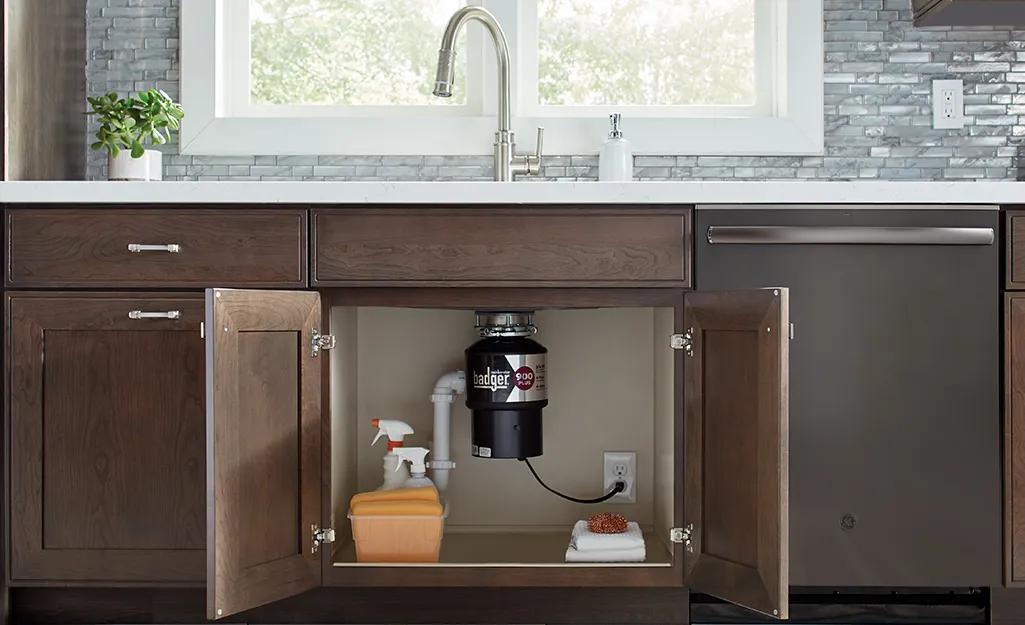
In recent years, the global residential food waste disposer market has gained strong attention due to rising focus on kitchen hygiene and waste management. The report explains current industry trends, competitive landscape, and strategic developments. It highlights market drivers, regional performance, company strategies, and overall growth outlook. The study provides detailed insights into demand patterns, technological improvements, and business expansion strategies shaping the market’s future direction.
Market Size and Forecast
The market was valued at USD 3.30 Billion in 2025. It is expected to reach USD 5.64 Billion by 2034. The market is projected to grow at a CAGR of 6.13% during 2026 to 2034. Growth is supported by rising demand for hygienic waste disposal solutions and increasing modern kitchen installations.
The report provides detailed insights into market performance, demand trends, and competitive strategies. It explains industry developments, technological advancements, and regional growth patterns. It also highlights investment trends and future expansion opportunities for stakeholders.
Market Segmentation
The market is segmented based on product type, application, distribution channel, and power rating. Each segment reflects changing consumer preferences and technological adoption across households and commercial spaces.
By Product Type
This segment focuses on the working mechanism of food waste disposers. Product choice depends on safety, convenience, and household needs.
Batch Feed: Operates in batches and requires a lid to activate, offering enhanced safety and controlled grinding performance for households concerned about operational safety.
Continuous Feed: Allows continuous waste input while running, offering convenience and faster disposal, making it suitable for busy kitchens and frequent usage.
By Application
This segment highlights end use areas where disposers are installed. Demand varies depending on residential expansion and commercial kitchen requirements.
Residential: Driven by rising household adoption, modern kitchen upgrades, and increasing awareness about hygienic waste management practices.
Commercial: Used in restaurants and food service outlets where efficient waste handling and compliance with hygiene standards are essential.
By Distribution Channel
Distribution channels reflect how products reach consumers. Growth of digital platforms and organized retail supports market expansion.
Online Stores: Growing due to convenience, product comparisons, and wider availability of brands for consumers.
Supermarkets/Hypermarkets: Offer physical product inspection and immediate purchase options, attracting traditional buyers.
Specialty Stores: Provide expert guidance and installation support, preferred by customers seeking technical advice.
Others: Includes local dealers and independent retailers serving regional markets and smaller cities.
By Power Rating
Power rating determines grinding capacity and performance suitability for different usage levels.
Up to 0.5 HP: Suitable for light household use with limited food waste generation.
0.5–1 HP: Ideal for medium households with regular kitchen waste disposal needs.
Above 1 HP: Designed for heavy usage and larger households requiring stronger grinding capacity.
Key Players
The market is moderately competitive with established global and regional brands focusing on innovation and product efficiency.
InSinkErator: A leading manufacturer known for advanced grinding technology and strong residential presence.
Waste King: Offers durable and high speed disposers with competitive pricing.
Whirlpool Corporation: Provides integrated kitchen appliance solutions with strong brand recognition.
GE Appliances: Focuses on innovation and energy efficient kitchen systems.
Moen Incorporated: Expands its kitchen portfolio with reliable and user friendly disposal units.
Companies are focusing on product innovation, efficiency improvement, and expanding distribution networks.
Regional Insights
The market shows steady demand across developed and emerging regions supported by urbanization and lifestyle changes.
North America: Strong adoption due to established kitchen infrastructure and high awareness about waste management systems.
Europe: Growth supported by sustainability focus and increasing modern housing developments.
Asia-Pacific: Rising urban population and growing middle class drive demand for advanced kitchen appliances.
Latin America: Gradual adoption supported by improving retail distribution and housing projects.
Middle East & Africa: Growing construction activities and rising consumer awareness support moderate growth.
Information Source: https://www.valuemarketresearch.com/report/residential-food-waste-disposer-market