

Air Purification System Market Outlook, Growth, Trends and Forecast Analysis 2034
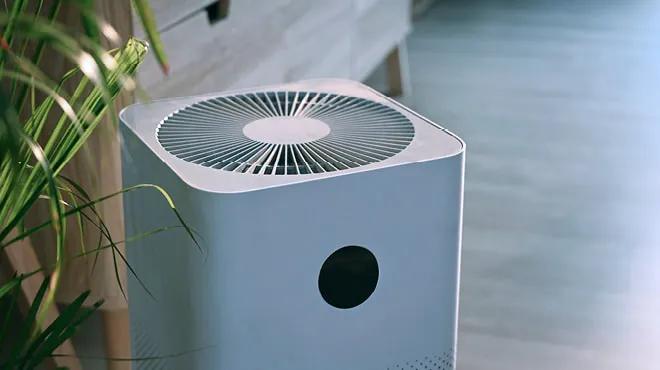
Over the past few years, the global air purification system market has expanded as awareness about pollution and clean air increases. The report provides a detailed understanding of market growth, key drivers, and future projections. It covers industry trends, investment opportunities, and technological advancements influencing demand. The analysis also focuses on how companies are responding to changing customer needs and regulatory requirements.
Market Size and Forecast
The air purification system market was valued at USD 22.80 Billion in 2025 and is expected to reach USD 25.25 Billion in 2026. The market is projected to grow to USD 57.11 Billion by 2034, registering a CAGR of 10.74% during the forecast period. Growth is mainly driven by rising pollution levels, increasing health awareness, and strict environmental regulations across industries and urban areas.
The report provides useful insights into market growth patterns, technological progress, and industry adoption trends. It highlights demand across sectors and explains how companies are improving product efficiency. It also gives a clear understanding of market expansion and future opportunities.
Market Segmentation
The market is divided into different categories based on product, technology, and end-users. This segmentation helps in understanding how demand varies across industries and applications. Each category plays a key role in shaping overall market growth.
By Product
This segment includes different types of systems designed to remove pollutants from air in industrial and commercial environments. These systems help improve air quality and ensure safety standards.
Dust Collectors: Widely used in industries to capture dust particles and improve air quality, helping maintain clean working environments and meeting regulatory requirements.
Fumes & Smoke Collectors: Designed to remove harmful fumes and smoke generated during industrial processes, supporting worker safety and reducing environmental impact.
Vehicle Exhaust: Used to control emissions from vehicles in enclosed spaces, helping reduce pollution and improve indoor air quality in garages and workshops.
Others: Includes additional purification systems used in specialized applications, offering flexible solutions for unique air quality requirements.
By Technology
This segment focuses on the different technologies used to purify air. Each technology offers unique benefits based on application and efficiency.
HEPA: Highly efficient filters that capture fine particles and allergens, commonly used in healthcare and residential applications for clean air.
ESP: Electrostatic precipitators remove particles using electrical charges, widely used in industrial settings for effective air cleaning.
Activated Carbon: Helps remove odors and harmful gases, making it useful in both industrial and commercial applications.
Ionic Filters: Uses ions to remove airborne particles, offering efficient purification for indoor spaces.
UV Light Air Filters: Uses ultraviolet light to kill bacteria and viruses, improving air hygiene in sensitive environments.
Ozone Generators: Produces ozone to eliminate odors and pollutants, mainly used in controlled environments.
Others: Includes emerging and hybrid technologies designed to improve efficiency and performance.
By End-Users
This segment highlights the industries that use air purification systems. Demand varies based on operational needs and regulatory requirements.
Automotive: Uses purification systems to manage emissions and improve air quality in production facilities.
Construction: Helps control dust and pollutants at construction sites, ensuring worker safety and compliance.
Healthcare: Critical for maintaining clean and sterile environments in hospitals and clinics.
Energy & Utilities: Used to control emissions and maintain air quality in power plants and energy facilities.
Manufacturing: Ensures safe working conditions by reducing pollutants generated during production processes.
Others: Includes various sectors adopting air purification for safety and efficiency.
Key Players
The market is competitive with several global players focusing on innovation and product development.
Honeywell International Inc.: A leading provider of advanced air purification technologies with strong focus on innovation and smart solutions.
3M Company: Known for high-quality filtration products and continuous research in air purification systems.
Sharp Corporation: Offers advanced air purifiers with focus on technology and energy efficiency.
Daikin Industries Ltd: Specializes in air conditioning and purification systems with strong global presence.
Panasonic Corporation: Provides reliable and efficient air purification solutions for residential and commercial use.
Companies are focusing on innovation, product development, and expanding their presence to meet growing demand.
Regional Insights
The market shows strong growth across multiple regions driven by industrialization and rising awareness.
North America: Advanced technology adoption and strict environmental regulations support strong demand for air purification systems across industries and commercial spaces.
Europe: Focus on sustainability and environmental standards drives adoption of efficient air purification technologies in industrial and residential sectors.
Asia-Pacific: Rapid industrial growth and increasing pollution levels boost demand for air purification systems in emerging economies.
Latin America: Growing awareness and improving industrial infrastructure support gradual market expansion in the region.
Middle East & Africa: Increasing construction and industrial activities drive demand for air purification solutions to maintain air quality standards.
Information Source: https://www.valuemarketresearch.com/report/air-purification-system-market