

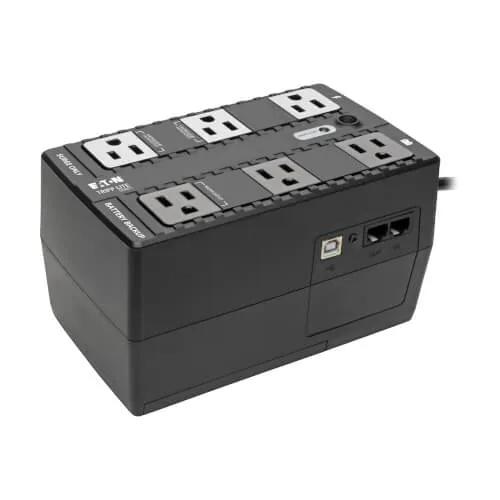
Across industries the global battery backup market is expanding as reliable power supply becomes essential for digital infrastructure, telecom networks, healthcare facilities, and residential applications. The report explains how technological improvements, increasing electricity demand, and growing reliance on electronic systems are supporting market expansion. It also highlights competitive developments, innovation trends, and investment activities shaping the industry landscape. The study provides insights into market dynamics, technological progress, and strategies adopted by leading companies operating in the global battery backup market.
Market Size and Forecast
The battery backup market was valued at USD 16.99 Billion in 2025 and is expected to reach USD 38.25 Billion by 2034, growing at a CAGR of 9.44% during the forecast period. The market is expanding steadily as businesses and households require uninterrupted power for digital systems, equipment, and electronic devices. Increasing dependence on reliable electricity supply and rising digital infrastructure development are key factors supporting market growth.
The report explains important industry developments shaping the market and highlights factors influencing demand for backup power solutions. It provides insights into technology trends, adoption patterns, and competitive strategies followed by key companies. The study also examines how industries are adopting battery backup systems to ensure continuous operations and improve energy reliability.
Market Segmentation
The market is segmented based on product type, application, power rating, and end user industries. These categories help explain how battery backup systems are used across different environments and power requirements. The segmentation also highlights the wide range of solutions available for residential, commercial, and industrial users.
By Product Type
This segment focuses on the different types of battery backup technologies available in the market. These systems are designed to provide temporary electricity during outages and ensure continuous operation of critical equipment.
Uninterruptible Power Supply (UPS) : Provides immediate backup power during electricity interruptions and protects sensitive devices like computers, servers, and networking systems from sudden shutdowns or voltage fluctuations.
Inverter : Converts stored battery power into usable electricity during outages and is widely used in homes and small businesses to maintain power supply for essential appliances.
Portable Power Stations : Compact battery backup units designed for mobility and outdoor use, supporting emergency power needs for electronics, tools, and small appliances.
Others : Includes emerging and specialized battery backup systems developed for unique operational environments and specific industrial power support requirements.
By Application
Application segmentation explains how battery backup systems support electricity continuity across different environments and operational needs.
Residential : Used in homes to provide backup electricity for lighting, appliances, and communication devices during power interruptions or unstable grid supply.
Commercial : Businesses use battery backup systems to ensure operational continuity for offices, retail spaces, and service establishments during power disruptions.
Industrial : Industrial facilities rely on battery backup systems to maintain production processes, safety systems, and critical equipment operations during outages.
Others : Includes educational institutions, transportation facilities, and other infrastructure environments where reliable power backup is necessary.
By Power Rating
Power rating segmentation reflects the capacity of battery backup systems and their suitability for different scales of electricity requirements.
Below 5 kVA : Smaller capacity systems typically used in homes and small offices to support limited electronic equipment during power interruptions.
5–20 kVA : Medium capacity solutions designed for commercial environments where moderate backup power is needed for multiple devices or systems.
20–50 kVA : Larger power backup systems commonly used in industrial or infrastructure environments requiring higher reliability and operational continuity.
Above 50 kVA : High capacity systems designed for large facilities such as data centers and manufacturing plants requiring uninterrupted power support.
By End-User
End user segmentation highlights the industries where battery backup technologies are widely used to ensure operational reliability.
Telecommunications : Telecom infrastructure depends on battery backup systems to maintain network connectivity and communication services during electricity disruptions.
Data Centers : Data centers rely heavily on battery backup technologies to ensure uninterrupted server operations and protect sensitive digital infrastructure.
Healthcare : Hospitals and medical facilities require reliable battery backup systems to maintain operation of critical medical equipment and life support systems.
Manufacturing : Manufacturing plants use battery backup solutions to maintain production continuity and prevent losses caused by sudden power failures.
Others : Includes sectors such as transportation and government infrastructure where continuous electricity supply is essential.
Key Players
The battery backup market is moderately competitive with several international technology companies offering advanced power backup systems and energy management solutions.
Schneider Electric SE : Develops advanced power protection and energy management solutions widely used in data centers, industrial facilities, and commercial buildings.
Eaton Corporation : Provides reliable power backup and electrical infrastructure technologies designed to improve energy efficiency and operational continuity.
Emerson Electric Co. : Offers power protection solutions and energy infrastructure technologies supporting critical facilities and industrial operations.
Vertiv Group Corporation : Specializes in digital infrastructure technologies including UPS systems and power management solutions for data centers and telecom facilities.
ABB Ltd. : Develops industrial power technologies and backup energy systems designed to support infrastructure reliability and energy efficiency.
Companies in this market focus on technology innovation, energy efficiency improvements, and expanding product portfolios to meet rising demand for reliable backup power solutions.
Regional Insights
North America : Strong demand for battery backup systems driven by expanding data centers, advanced digital infrastructure, and increasing need for reliable power solutions across commercial and industrial sectors.
Europe : Growing focus on energy reliability, infrastructure modernization, and increasing use of backup power systems across healthcare facilities, telecommunications networks, and commercial buildings supports market growth.
Asia-Pacific : Rapid urbanization, industrial development, and expansion of telecommunications networks are increasing demand for reliable battery backup solutions across residential, commercial, and infrastructure sectors.
Latin America : Rising investments in infrastructure and growing need for stable electricity supply are supporting adoption of battery backup systems across businesses, institutions, and commercial establishments.
Middle East & Africa : Infrastructure expansion, increasing digitalization, and growing demand for reliable electricity supply across telecom, healthcare, and industrial sectors are supporting adoption of battery backup technologies.
Information Source: https://www.valuemarketresearch.com/report/battery-backup-market